
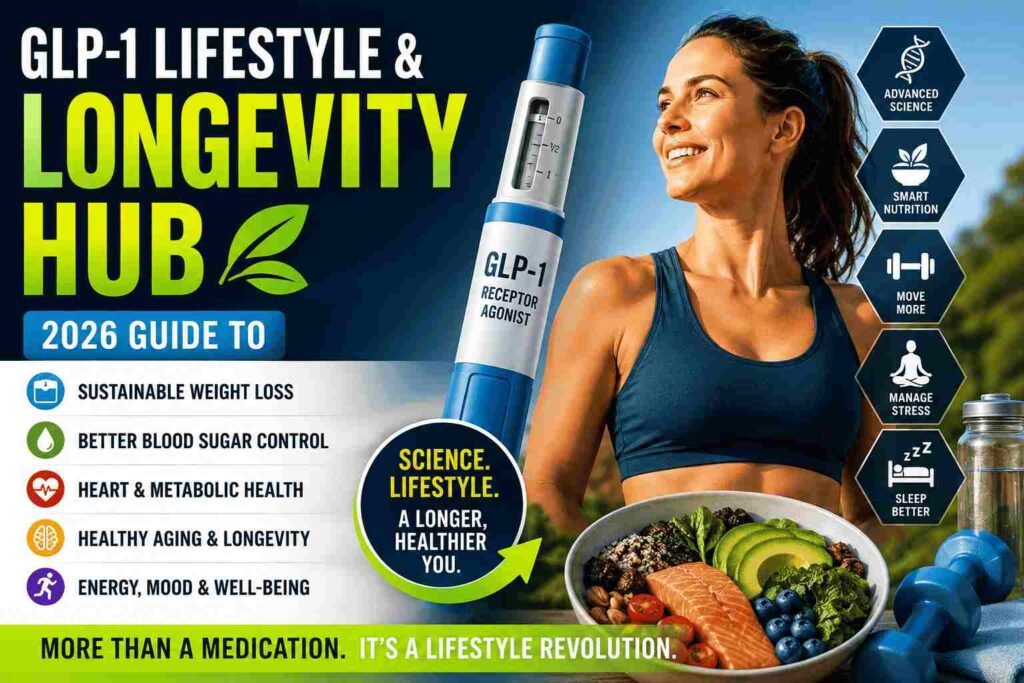
- 🧬 What Is GLP-1?
- 🚀 Why GLP-1 Became So Popular in 2026
- ⚖️ How GLP-1 Supports Weight Loss
- ❤️ GLP-1 and Longevity: The Bigger Picture
- 🥗 The Best Diet for a GLP-1 Lifestyle
- 🥬 Focus on Whole Foods
- 💧 Stay Hydrated
- 🍗 Prioritize Protein
- 🍭 Limit Sugar and Ultra-Processed Foods
- 🏋️ Why Exercise Matters More Than Ever
- 😴 Sleep and Stress: The Hidden Longevity Factors
- 🌙 Better Sleep Supports Weight Loss
- 🧠 Chronic Stress Damages Metabolism
- 🔬 Emerging GLP-1 Trends in 2026
- ⚠️ Potential Side Effects of GLP-1 Medications
- 🩺 Who Should Consider a GLP-1 Lifestyle Program?
- 🌍 The Future of GLP-1 and Healthy Longevity
- ❓ Frequently Asked Questions (FAQs)
- 📝 Final Thoughts
The world of health and wellness is changing rapidly, and GLP-1 medications are leading one of the biggest transformations in modern medicine. While many people first heard about GLP-1 drugs because of weight loss trends, the conversation has now expanded far beyond shedding extra kilos. In 2026, experts increasingly connect GLP-1 therapies with metabolic health, longevity, inflammation reduction, heart protection, and healthier aging.
However, medications alone cannot create lasting wellness. Instead, the most successful people combine it’s support with smarter lifestyle habits, sustainable nutrition, physical activity, stress control, and proper sleep. Consequently, the idea of a “GLP-1 Lifestyle and Longevity Hub” has emerged as a complete wellness approach rather than just another weight-loss trend.
This comprehensive guide explains how GLP-1 works, why it matters in 2026, and how you can build a healthier, longer, and more energetic life around it.
🧬 What Is GLP-1?
GLP-1 stands for Glucagon-Like Peptide-1, a natural hormone produced in the gut after eating. This hormone helps regulate blood sugar, appetite, insulin production, and digestion.
Scientists later developed GLP-1 receptor agonist medications that mimic this hormone. As a result, these drugs help people feel fuller for longer while also stabilizing blood sugar levels.
Today, GLP-1 medications are commonly prescribed for:
- Obesity
- Type 2 diabetes
- Metabolic syndrome
- Insulin resistance
- Cardiovascular risk management
Moreover, researchers now study their potential impact on longevity and age-related diseases.
🚀 Why GLP-1 Became So Popular in 2026
The popularity of Glucagon-like peptide-1 medications exploded during the last few years. Nevertheless, 2026 marks a major shift because people now view these therapies as part of a larger health optimization strategy.
Several factors contributed to this trend:
- Rising obesity rates worldwide
- Increased awareness about metabolic health
- Better clinical research on Glucagon-like peptide-1 benefits
- Growing focus on healthy aging
- More personalized healthcare approaches
Additionally, social media, celebrity discussions, and wellness communities accelerated public interest. Yet the real reason behind the momentum lies in measurable health improvements.
⚖️ How GLP-1 Supports Weight Loss
One reason Glucagon-like peptide-1 medications gained massive attention involves their effectiveness for sustainable weight management.
🍽️ Appetite Control
GLP-1 slows stomach emptying and helps people feel satisfied sooner. Consequently, many individuals naturally reduce calorie intake without extreme dieting.
🧠 Reduced Food Cravings
Many users report fewer cravings for sugary or ultra-processed foods. Furthermore, emotional eating often decreases over time.
🔥 Better Metabolic Efficiency
GLP-1 therapies improve insulin sensitivity, which helps the body manage glucose more effectively.
As a result, users often experience:
- Steady fat loss
- Improved energy levels
- Better blood sugar control
- Reduced waist circumference
However, lifestyle habits still determine long-term success.
❤️ GLP-1 and Longevity: The Bigger Picture
Researchers now believe metabolic health plays a major role in aging. Therefore, therapies that improve metabolism may also support longevity.
Although scientists continue studying long-term outcomes, early evidence appears promising.
🩺 Improved Heart Health
Several studies show that Glucagon-like peptide-1 medications may lower cardiovascular risk. In addition, they can help reduce:
- Blood pressure
- Cholesterol levels
- Chronic inflammation
Since heart disease remains one of the leading causes of death globally, these benefits matter tremendously.
🧪 Reduced Chronic Inflammation
Inflammation accelerates aging and contributes to many diseases. Fortunately, Glucagon-like peptide-1 therapies may reduce inflammatory markers in the body.
Consequently, experts now explore links between GLP-1 and:
- Brain health
- Alzheimer’s disease
- Kidney protection
- Fatty liver disease
🧓 Healthier Aging
Longevity does not simply mean living longer. Instead, it means staying healthier, stronger, and mentally sharp for more years.
That is exactly why this lifestyle programs now focus on:
- Muscle preservation
- Sleep optimization
- Stress management
- Nutritional quality
- Mobility and strength
🥗 The Best Diet for a GLP-1 Lifestyle
Medication alone cannot create lifelong health. Therefore, nutrition remains essential.
Becauseit slows digestion, many users feel better when they eat smaller, nutrient-dense meals.
🥬 Focus on Whole Foods
Choose foods rich in nutrients rather than empty calories.
Best options include:
- Vegetables
- Fruits
- Lean proteins
- Eggs
- Fish
- Nuts
- Seeds
- Whole grains
Meanwhile, highly processed foods may worsen digestive discomfort.
💧 Stay Hydrated
Many people underestimate hydration while using such medications. However, dehydration can increase fatigue and nausea.
Therefore, drink enough water throughout the day.
🍗 Prioritize Protein
Protein helps preserve muscle mass during weight loss. Since muscle supports metabolism and healthy aging, adequate protein becomes extremely important.
Good sources include:
- Chicken
- Fish
- Greek yogurt
- Lentils
- Tofu
- Cottage cheese
🍭 Limit Sugar and Ultra-Processed Foods
Processed foods often trigger inflammation and energy crashes. Consequently, reducing them improves both metabolic health and overall well-being.
🏋️ Why Exercise Matters More Than Ever
Many people wrongly assume Glucagon-like peptide-1 medications eliminate the need for exercise. In reality, physical activity becomes even more important.
💪 Strength Training Preserves Muscle
Rapid weight loss sometimes reduces muscle mass alongside fat. Therefore, resistance training helps maintain strength and metabolism.
Aim for:
- Weight training
- Bodyweight exercises
- Resistance bands
- Functional movement exercises
🚶 Walking Improves Metabolic Health
Walking remains one of the simplest yet most powerful longevity tools.
Even 30 minutes daily can:
- Improve insulin sensitivity
- Support heart health
- Reduce stress
- Increase energy
🧘 Mobility and Recovery Matter Too
Recovery supports long-term sustainability. Consequently, stretching, yoga, and mobility training help reduce injury risk.
😴 Sleep and Stress: The Hidden Longevity Factors
Many people focus only on food and exercise. However, sleep and stress management strongly affect metabolic health.
🌙 Better Sleep Supports Weight Loss
Poor sleep disrupts hunger hormones and increases cravings. Therefore, quality sleep improves it’s effectiveness.
Healthy sleep habits include:
- Consistent bedtime
- Reduced screen exposure
- Cool sleeping environment
- Limiting caffeine late in the day
🧠 Chronic Stress Damages Metabolism
Stress raises cortisol levels, which can encourage fat storage and inflammation.
Fortunately, stress management techniques help significantly:
- Meditation
- Deep breathing
- Nature walks
- Journaling
- Mindfulness practices
🔬 Emerging GLP-1 Trends in 2026
The GLP-1 landscape continues evolving rapidly.
📱 Digital GLP-1 Lifestyle Platforms
Many wellness companies now offer integrated platforms that combine:
- Medication tracking
- AI coaching
- Meal planning
- Fitness guidance
- Sleep monitoring
As a result, people receive more personalized health support than ever before.
🧬 Personalized Longevity Medicine
Doctors increasingly tailor Glucagon-like peptide-1 protocols using:
- Genetic testing
- Metabolic biomarkers
- Continuous glucose monitoring
- Hormonal analysis
Consequently, treatment plans become far more individualized.
🧠 Brain Health Research
Researchers are also studying these therapies for neurodegenerative diseases. Although more evidence is needed, early findings appear encouraging.
⚠️ Potential Side Effects of GLP-1 Medications
Despite the benefits, Glucagon-like peptide-1 medications may cause side effects.
Common issues include:
- Nausea
- Constipation
- Bloating
- Fatigue
- Diarrhea
Fortunately, most symptoms improve gradually.
Still, people should always work with qualified healthcare professionals rather than self-medicating.
🩺 Who Should Consider a GLP-1 Lifestyle Program?
GLP-1 therapies may help people struggling with:
- Obesity
- Insulin resistance
- Type 2 diabetes
- Metabolic syndrome
- High cardiovascular risk
However, these medications are not suitable for everyone. Therefore, medical supervision remains essential.
🌍 The Future of GLP-1 and Healthy Longevity
Experts believe the next decade will transform preventive healthcare. Instead of waiting for disease, medicine increasingly focuses on optimization and longevity.
Therapies may become a major part of that movement because they influence:
- Weight
- Blood sugar
- Heart health
- Inflammation
- Appetite regulation
Nevertheless, true longevity still depends on consistent daily habits.
The healthiest people in 2026 will likely combine:
- Smart nutrition
- Regular exercise
- Stress control
- Quality sleep
- Preventive healthcare
- Evidence-based therapies
❓ Frequently Asked Questions (FAQs)
1. What does GLP-1 stand for?
GLP-1 stands for Glucagon-Like Peptide-1, a hormone that helps regulate appetite, insulin, and blood sugar.
2. Are these type of medications only for diabetes?
No. Although doctors originally used them for Type 2 diabetes, many now prescribe them for obesity and metabolic health.
3. Can GLP-1 medications help with longevity?
Researchers believe improved metabolic health may support healthier aging and reduced disease risk. However, studies are still ongoing.
4. Do I still need exercise while using GLP-1?
Absolutely. Exercise helps preserve muscle, improve metabolism, and support long-term health.
5. What foods should I avoid on GLP-1 medications?
Highly processed foods, excessive sugar, greasy meals, and large portions may worsen digestive symptoms.
6. Are GLP-1 medications safe?
Most people tolerate them well under medical supervision. However, side effects can occur.
7. Can GLP-1 replace healthy lifestyle habits?
No. Medication works best when combined with proper nutrition, physical activity, sleep, and stress management.
8. Why is it so popular in 2026?
People increasingly recognize its benefits for weight loss, metabolic health, cardiovascular protection, and potentially healthier aging.
📝 Final Thoughts
The rise of the GLP-1 Lifestyle and Longevity Hub reflects a major shift in modern healthcare. Instead of chasing quick fixes, more people now focus on sustainable wellness and long-term vitality.
While medications offer powerful support, lifestyle habits still form the foundation of healthy aging. Therefore, nutrition, movement, sleep, emotional balance, and preventive care matter more than ever.
As research continues expanding in 2026, GLP-1 therapies may reshape how society approaches obesity, metabolic disease, and longevity itself. However, the ultimate goal remains simple: living a longer, healthier, and more energetic life.
This article has been made with the help of AI for better SEO but the research and inputs have been provided by me. Sources cited below.
- National Institutes of Health (NIH) – GLP-1 Research
- Mayo Clinic – GLP-1 Agonists and Weight Loss
- Cleveland Clinic – GLP-1 Agonists Explained
- American Diabetes Association – GLP-1 Information
- Harvard Health Publishing – Weight Loss and Metabolic Health
- National Institute on Aging – Healthy Longevity Research
- Johns Hopkins Medicine – Obesity and Metabolic Health
You may also like to read other health related articles here also authored by me :
Pancreatic Cancer: Early Signs, Causes, Treatment, & Prevention
PCOS (Polycystic Ovary Syndrome): Symptoms, Causes, Treatment
Gym Herpes Outbreak? How to Stay Safe While Working Out


Pingback: CMS Hospice Enrolment Moratorium USA: What It Means - hospscout.com