🩺 Medically reviewed by Dr Douglas Waterman 

- What Is PCOS?
- Understanding it Visually
- How Common Is It?
- What Are The Causes ?
- Common Symptoms
- Emotional and Mental Health Challenges
- Signs and Symptoms
- How Doctors Diagnose
- Can PCOS Cause Serious Health Problems?
- Best Treatments
- Medications
- Best Diet for PCOS
- Foods That Help PCOS
- Foods to Limit
- Exercise and PCOS
- Natural Ways to Manage it
- PCOS and Fertility
- Pregnancy With PCOS
- Mental Health and PCOS
- PCOS Myths You Should Stop Believing
- When Should You See a Doctor?
- Final Thoughts
- FAQs
Polycystic Ovary Syndrome, commonly known as PCOS, affects millions of women worldwide. Yet, despite its growing prevalence, many people still misunderstand the condition. Some women struggle for years before receiving a diagnosis, while others ignore the symptoms because they seem “normal.”
However, it is much more than irregular periods or weight gain. In fact, it can affect hormones, fertility, metabolism, mental health, and long-term wellness. Therefore, understanding the condition early can make a huge difference.
If you recently received a diagnosis or suspect you may have PCOS, this guide will help you understand everything clearly. Moreover, you will learn about symptoms, causes, treatment options, diet tips, and lifestyle changes that can improve your quality of life.
What Is PCOS?
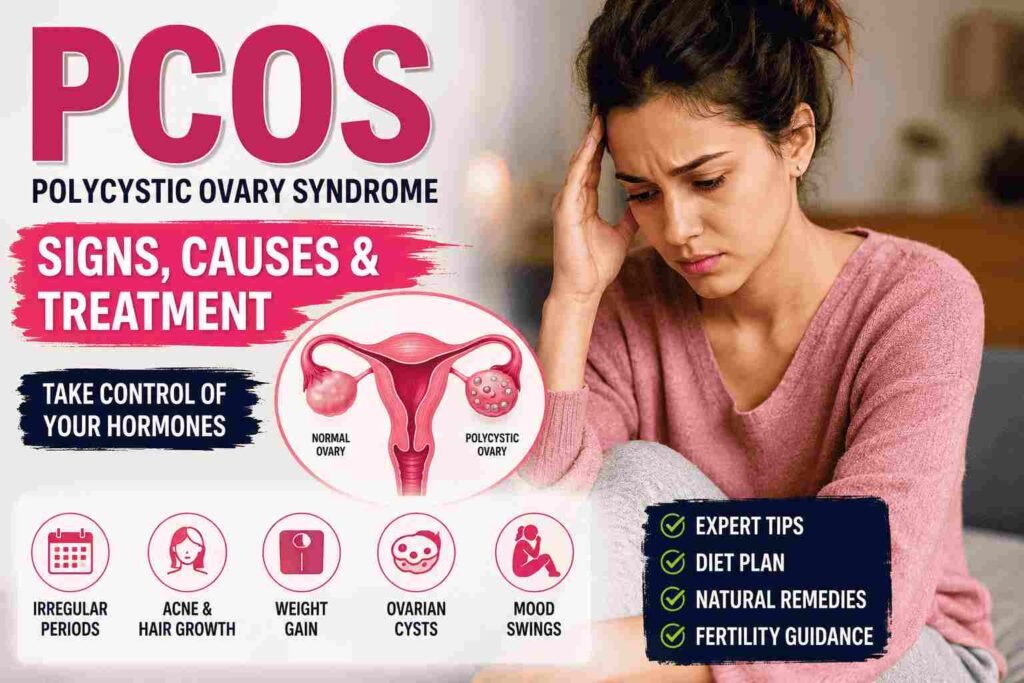
Polycystic Ovary Syndrome is a hormonal disorder that affects women during their reproductive years. The condition causes hormonal imbalance, irregular ovulation, and elevated androgen levels.
Although the name suggests ovarian cysts, not every woman with it develops cysts. Instead, the syndrome mainly disrupts hormone function.
Women with PCOS often experience:
- Irregular periods
- Weight gain
- Acne
- Excess facial hair
- Fertility issues
- Thinning hair
Additionally, it can increase the risk of diabetes, high blood pressure, and heart disease if left unmanaged.
Understanding it Visually


How Common Is It?
It ranks among the most common hormonal disorders in women. According to health experts, it affects approximately 1 in 10 women of reproductive age.
Unfortunately, many cases remain undiagnosed because symptoms vary greatly. Some women experience severe symptoms, whereas others notice only mild irregularities.
Consequently, awareness plays a major role in early diagnosis and treatment.
What Are The Causes ?
Doctors still do not know the exact cause of PCOS. Nevertheless, researchers believe several factors contribute to the condition.
1. Insulin Resistance
Many women with it develop insulin resistance. This means the body struggles to use insulin effectively.
As a result:
- Blood sugar levels rise
- The body produces more insulin
- Excess insulin triggers higher androgen production
Consequently, hormone imbalance worsens.
2. Hormonal Imbalance
Women with PCOS often produce higher-than-normal androgen levels. Although women naturally produce small amounts of male hormones, excessive levels disrupt ovulation.
Therefore, menstrual cycles become irregular.
3. Genetics
It frequently runs in families. If your mother or sister has PCOS, your risk may increase significantly.
Because of this, family history matters during diagnosis.
4. Chronic Inflammation
Low-grade inflammation may stimulate the ovaries to produce more androgens. Furthermore, inflammation can increase the risk of cardiovascular problems over time.
Common Symptoms
Symptoms vary widely from person to person. However, several signs appear frequently.
Irregular Periods
Many women experience:
- Missed periods
- Infrequent periods
- Heavy bleeding
- Unpredictable cycles
Since ovulation often becomes irregular, menstrual changes usually appear first.
Excess Hair Growth
Higher androgen levels can cause excessive hair growth on:
- Face
- Chin
- Chest
- Abdomen
- Back
This condition is known as hirsutism.
Acne and Oily Skin
Hormonal imbalance increases oil production. Consequently, many women experience persistent acne even during adulthood.
Weight Gain
PCOS often makes weight management difficult. In particular, fat tends to accumulate around the abdomen.
Moreover, insulin resistance may worsen weight gain.
Hair Thinning
While facial hair may increase, scalp hair often becomes thinner. Some women notice significant hair shedding over time.
Fertility Problems
PCOS remains one of the leading causes of infertility because irregular ovulation affects egg release.
However, many women with it still conceive successfully with proper treatment and lifestyle changes.
Emotional and Mental Health Challenges
It affects more than physical health.
Many women experience:
- Anxiety
- Depression
- Low self-esteem
- Mood swings
Therefore, emotional support matters greatly during treatment.
Signs and Symptoms

How Doctors Diagnose
Doctors usually diagnose PCOS through a combination of symptoms, blood tests, and imaging.
Common diagnostic methods include:
- Medical history review
- Pelvic examination
- Hormone blood tests
- Ultrasound scans
Doctors often use the Rotterdam Criteria, which considers:
- Irregular ovulation
- High androgen levels
- Polycystic ovaries on ultrasound
Typically, doctors confirm when at least two criteria appear.
Can PCOS Cause Serious Health Problems?
Yes, left untreated it can increase long-term health risks.
These include:
- Type 2 diabetes
- High cholesterol
- Sleep apnea
- High blood pressure
- Heart disease
- Endometrial cancer
Therefore, early management becomes extremely important.
Best Treatments
Although it has no permanent cure, many treatments help control symptoms effectively.
Lifestyle Changes
Doctors usually recommend lifestyle improvement first because it often delivers major benefits.
Healthy changes include:
- Regular exercise
- Better sleep
- Stress management
- Balanced diet
- Weight management
Even small weight loss can improve hormone balance significantly.
Healthy Foods for PCOS


Medications
Doctors may prescribe:
Birth Control Pills
These help regulate periods and reduce androgen levels.
Metformin
Metformin improves insulin sensitivity and helps control blood sugar.
Fertility Medications
Women trying to conceive may receive ovulation-stimulating medications.
Acne Treatments
Dermatologists may recommend topical or oral treatments for skin concerns.
Best Diet for PCOS
Diet plays a huge role in symptom management.
Foods That Help PCOS
Women affected often benefit from:
- High-fiber vegetables
- Lean proteins
- Whole grains
- Healthy fats
- Low-glycemic foods
Examples include:
- Spinach
- Broccoli
- Salmon
- Eggs
- Oats
- Lentils
- Nuts
These foods support insulin balance and reduce inflammation.
Foods to Limit
Certain foods may worsen symptoms.
Try reducing:
- Sugary drinks
- Processed snacks
- White bread
- Fried foods
- Excess refined carbohydrates
Instead, focus on whole, nutrient-rich meals.
Exercise and PCOS
Exercise improves insulin sensitivity, boosts mood, and supports weight management.
Helpful activities include:
- Walking
- Strength training
- Cycling
- Yoga
- Swimming
Consistency matters more than intensity. Therefore, choose activities you genuinely enjoy.
Natural Ways to Manage it
Many women also explore natural approaches alongside medical treatment.
Popular options include:
- Spearmint tea
- Omega-3 supplements
- Vitamin D support
- Stress reduction
- Meditation
- Better sleep habits
However, always discuss supplements with a healthcare professional first.
PCOS and Fertility
A positive diagnosis does not mean pregnancy is impossible.
In fact, many women conceive naturally after improving lifestyle habits and managing ovulation.
Doctors may recommend:
- Ovulation medications
- Hormone monitoring
- Fertility treatments
- Weight management programs
Additionally, early intervention often improves fertility outcomes.
Pregnancy With PCOS
Women with PCOS can experience healthy pregnancies. Nevertheless, they may face slightly higher risks of:
- Gestational diabetes
- High blood pressure
- Premature birth
Therefore, prenatal care becomes especially important.
Mental Health and PCOS
Mental health deserves equal attention.
Hormonal changes, body image struggles, and fertility concerns can feel overwhelming. Consequently, many women benefit from therapy, support groups, or counseling.
Never hesitate to seek emotional support.
PCOS Myths You Should Stop Believing
Myth 1: PCOS Only Affects Overweight Women
Many lean women also develop it.
Myth 2: You Cannot Get Pregnant With it
Many women with PCOS become mothers successfully.
Myth 3: Irregular Periods Are Always Normal
Persistent irregular cycles deserve medical attention.
Myth 4: PCOS Is Just a Reproductive Disorder
No, it affects metabolism, mental health, and cardiovascular health too.
When Should You See a Doctor?
You should consult a healthcare professional if you experience:
- Irregular periods
- Excess facial hair
- Persistent acne
- Sudden weight gain
- Difficulty conceiving
- Hair thinning
Early diagnosis often prevents complications later.
Final Thoughts
PCOS can feel frustrating, confusing, and emotionally exhausting at times. However, the condition becomes much easier to manage with the right information and support.
Although this problem has no permanent cure yet, healthy habits, medical treatment, and emotional care can dramatically improve symptoms and quality of life.
Most importantly, remember this: you are not alone. Millions of women successfully manage it every day while living healthy, fulfilling lives.
FAQs
What is the main cause?
Doctors believe insulin resistance, genetics, inflammation, and hormonal imbalance contribute to PCOS development.
Can PCOS go away permanently?
It currently has no permanent cure. However, proper treatment and lifestyle changes can control symptoms effectively.
Does PCOS cause infertility?
It may affect ovulation and fertility. Nevertheless, many affected women still conceive naturally or with treatment.
Which foods are best for PCOS?
High-fiber vegetables, lean proteins, healthy fats, and low-glycemic foods usually help manage symptoms.
Can skinny women have PCOS?
Yes. PCOS affects women of all body types, including lean women.
Is PCOS dangerous?
Untreated PCOS can increase risks for diabetes, heart disease, and other health conditions.
Does exercise help PCOS?
Yes. Regular exercise improves insulin sensitivity, hormone balance, mood, and weight management.
Can stress worsen PCOS?
Yes. Chronic stress may worsen hormonal imbalance and inflammation.
Is PCOS genetic?
PCOS often runs in families, suggesting a strong genetic connection.
Can teenagers develop PCOS?
Yes. Many girls develop symptoms during adolescence, especially after puberty begins.
Reviewer Bio:
Dr. Douglas Waterman, MD, FRCSC. Dr. Douglas Waterman graduated from medical school training at the University of Alberta. Through the University of British Columbia, he achieved his specialty training in obstetrics and gynecology. He is a member of the University of British Columbia Faculty of Medicine Department of Obstetrics and Gynecology.
This article has been made with the help of AI for better SEO but the research and inputs have been provided by me. Sources cited below.
- World Health Organization (WHO) – Polycystic Ovary Syndrome (PCOS)
- Centers for Disease Control and Prevention (CDC) – PCOS Overview
- Mayo Clinic – Polycystic Ovary Syndrome (PCOS)
- Cleveland Clinic – PCOS Information Guide
- National Institutes of Health (NIH) – PCOS Research & Information
You may also like to read other health related articles here also authored by me :
Gym Herpes Outbreak? How to Stay Safe While Working Out
Symptoms of Diabetes and High Blood Pressure? Warning Signs
How Can I Lose Weight Fast Safely? Practical Guide That Actually Works