- What is Royal Jelly? Understanding the "Queen’s Milk"
- The Biological Difference
- The Nutritional Profile: What’s Inside the Jar?
- Key Health Benefits of Royal Jelly
- How to Use Royal Jelly: Forms and Dosage
- Recommended Dosage
- Potential Side Effects and Precautions
- Royal Jelly vs. Other Bee Products
- Sustainable Sourcing: Why Quality Matters
- The Verdict: Is Royal Jelly Truly a Wonder Food?
- Frequently Asked Questions (FAQs)
- Sam
For centuries, humans have looked to the beehive as a source of health and vitality. While honey and beeswax are common household names, there is a third, far more exclusive substance that has earned the title of a true “superfood.” Royal jelly is not just another bee product; it is a complex, nutrient-dense secretion that dictates the very biological destiny of the hive.
But what exactly makes it a “wonder food,” and why is it currently taking the wellness world by storm? In this comprehensive guide, we will explore the science, benefits, and practical uses of royal jelly.
What is Royal Jelly? Understanding the “Queen’s Milk”
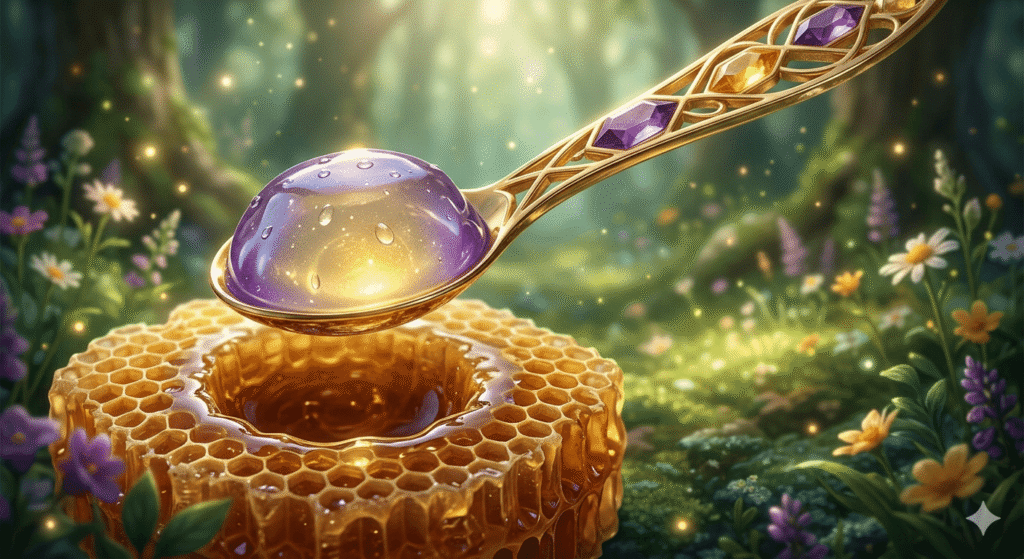
To begin with, we must understand that royal jelly is a gelatinous substance produced by worker honeybees. Although it is often confused with pollen or honey, its composition and purpose are entirely unique. Worker bees secrete this “milk” from their hypopharyngeal glands to feed all bee larvae for the first few days of their lives.
However, the story changes after day three. While most larvae are then switched to a diet of honey and pollen, one chosen larva continues to be fed exclusively on royal jelly. Consequently, this specific diet triggers a physiological transformation, turning an ordinary larva into a fertile, long-lived Queen Bee.
The Biological Difference
The impact of this “wonder food” is nothing short of miraculous. Consider these facts:
- Lifespan: Worker bees live for about 6 to 8 weeks; conversely, a Queen Bee can live for up to 5 years.
- Fertility: The Queen is the only fertile female in the hive, capable of laying up to 2,000 eggs per day.
- Size: Due to her diet, the Queen grows significantly larger and stronger than her subordinates.
The Nutritional Profile: What’s Inside the Jar?
One might wonder what specific nutrients allow for such a drastic biological shift. Royal jelly is a powerhouse of bio-active compounds. Furthermore, many of these elements are found nowhere else in nature.
1. The Unique Fatty Acid: 10-HDA
The most significant component of royal jelly is 10-Hydroxy-2-decenoic acid (10-HDA). This unique fatty acid is the primary marker used to determine the quality and freshness of royal jelly. Research suggests that 10-HDA is responsible for many of the substance’s antibacterial and immune-boosting properties.
2. A Full Spectrum of B-Vitamins
Moreover, royal jelly is rich in B-complex vitamins, which are essential for energy production and neurological health. It contains high concentrations of:
- B5 (Pantothenic Acid): Known for its role in stress reduction and lipid metabolism.
- B6 (Pyridoxine): Vital for brain development and function.
- B12 (Cobalamin): Essential for nerve tissue health.
3. Essential Amino Acids and Minerals
In addition to vitamins, it provides a complete profile of amino acids, the building blocks of protein. It also contains trace minerals such as calcium, copper, iron, phosphorus, and potassium. Therefore, it serves as an excellent all-in-one supplement for cellular repair.
Key Health Benefits of Royal Jelly
Given its dense nutritional profile, it is no surprise that royal jelly offers a wide array of health benefits for humans. Below, we break down the most evidence-based advantages.
Supporting the Immune System
First and foremost, royal jelly is a potent immunomodulator. Because it contains 10-HDA and various antimicrobial proteins, it helps the body defend against bacteria and viruses. Specifically, studies have shown that it may enhance the “pro-inflammatory” response of certain immune cells, effectively “priming” the body to fight off infection.
Enhancing Brain Function and Memory
Another remarkable benefit involves cognitive health. Due to its antioxidant properties, royal jelly protects brain cells from oxidative stress. Some animal studies even suggest that it can stimulate the production of neural stem cells, potentially improving memory and reducing the risk of neurodegenerative diseases like Alzheimer’s.
Balancing Hormones and Fertility
Naturally, since royal jelly is the substance that grants the Queen Bee her fertility, it has long been used as a natural remedy for human reproductive health. For instance, it may help balance hormones in women experiencing PMS or menopause. Additionally, some research indicates it may improve sperm quality in men, making it a popular choice for couples trying to conceive.
Skin Health and Anti-Aging
In the beauty industry, royal jelly is frequently included in high-end skincare products. This is because it promotes collagen production. By boosting collagen, it helps maintain skin elasticity and reduces the appearance of fine lines. Consequently, it is often touted as a “fountain of youth” in a jar.
How to Use Royal Jelly: Forms and Dosage
If you are convinced that royal jelly is right for you, the next step is determining how to consume it. Generally speaking, it is available in three primary forms:
- Fresh/Raw Royal Jelly: This is the purest form. It must be kept refrigerated and has a distinct, slightly bitter, and acidic taste.
- Capsules/Tablets: For those who dislike the taste, lyophilized (freeze-dried) royal jelly in capsule form is a convenient alternative.
- Powder: This can be easily added to smoothies or mixed with raw honey.
Recommended Dosage
While there is no “official” RDA, most experts suggest starting with 500mg to 1,000mg per day. However, it is always wise to consult with a healthcare professional before starting any new supplement, especially if you have pre-existing conditions.
Potential Side Effects and Precautions
Despite its many benefits, royal jelly is not suitable for everyone. Because it is a bee product, it can cause severe allergic reactions in some individuals.
- Asthma and Allergies: If you are allergic to bee stings or pollen, you should avoid royal jelly entirely, as it could trigger anaphylaxis.
- Pregnancy and Breastfeeding: There is insufficient research on its safety for pregnant or nursing mothers; therefore, caution is advised.
- Drug Interactions: It may interact with blood thinners (like Warfarin). Consequently, you should speak to a doctor if you are on medication.
Royal Jelly vs. Other Bee Products
To clarify some common misconceptions, let’s compare royal jelly to its counterparts in the hive.
| Product | Source | Primary Use |
| Honey | Nectar | Energy & Cough relief |
| Pollen | Flowers | Protein & Strength |
| Propolis | Tree Resin | “Bee Glue” & Antiviral |
| Royal Jelly | Bee Secretion | Longevity & Hormonal Health |
As we can see, while honey is primarily for energy, royal jelly is a specialized biological catalyst.
Sustainable Sourcing: Why Quality Matters
When purchasing royal jelly, it is crucial to consider the source. Since the demand for superfoods is rising, some manufacturers may use unsustainable harvesting methods. Furthermore, low-quality products may be diluted with fillers.
Always look for:
- Third-party testing: Ensures the 10-HDA content is verified.
- Organic certification: Guarantees the bees were not exposed to harmful pesticides.
- Cold-chain shipping: For fresh royal jelly, maintaining a low temperature is vital to preserving its bio-activity.
The Verdict: Is Royal Jelly Truly a Wonder Food?
In conclusion, the evidence supporting royal jelly is substantial. From its unique chemical composition to its profound effects on the lifespan of the Queen Bee, it truly earns its reputation. Whether you are looking to boost your immune system, improve your skin, or enhance your cognitive focus, this “wonder food” offers a natural, potent solution.
Nevertheless, it is important to remember that supplements work best when paired with a healthy diet and lifestyle. So, if you are ready to experience the power of the hive, royal jelly might just be the missing piece in your wellness puzzle.
Frequently Asked Questions (FAQs)
Does royal jelly taste like honey?
Actually, no. While honey is sweet, royal jelly has a sharp, acidic, and slightly bitter flavor. Most people prefer to mix it with honey or take it in capsule form to mask the taste.
How long does it take to see results?
Generally, most people notice an increase in energy levels and skin clarity within 2 to 4 weeks of consistent use. However, for hormonal balance, it may take slightly longer.
Can I give royal jelly to children?
Because of the risk of allergic reactions, it is generally recommended to avoid giving royal jelly to children under the age of five unless directed by a pediatrician.
Where is the best place to store it?
Fresh royal jelly must be stored in the refrigerator or freezer. Conversely, freeze-dried capsules can be kept at room temperature in a cool, dry place.
Click the link if you would like to further read about Good Health Builds Wealth: An Analysis.