
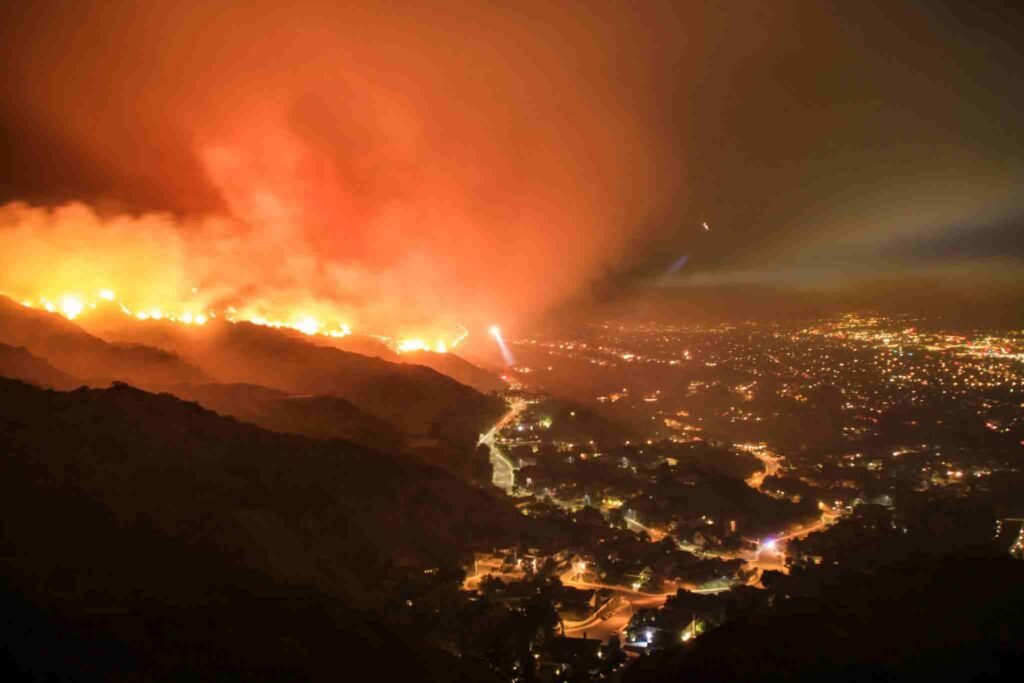
- 🔥 What Happened During the Simi Valley Fire?
- 🌬️ Why Wind Makes Wildfires Extremely Dangerous
- 🖼️ Wildfire Emergency Preparedness and Evacuation
- 🏠 How to Prepare Your Home Before Wildfire Season
- 🔋 Power Outages Commonly Follow Wildfires
- 🚒 Firefighters Face Extreme Conditions
- 🧠 Staying Calm Can Save Lives
- 🛣️ What To Do If You Get Trapped by a Wildfire
- ❤️ Final Thoughts
- FAQs About Wildfire Safety and the Simi Valley Fire
The recent Sandy Fire in Simi Valley shocked residents across Southern California after strong winds rapidly pushed flames through dry brush areas, threatening homes and forcing thousands to evacuate.
According to reports, the wildfire spread aggressively due to dry conditions and powerful Santa Ana winds, while firefighters battled the blaze from both air and ground operations. Several structures burned, evacuation orders expanded rapidly, and smoke covered nearby neighborhoods.
Unfortunately, wildfires like the Sandy Fire are becoming increasingly common across California and other dry regions worldwide.
Consequently, every family should understand how to prepare, survive, and protect themselves during fast-moving wildfire emergencies.
This detailed guide explains:
- How wildfires spread
- What makes fires so dangerous
- How to prepare your home
- Emergency evacuation strategies
- Health protection during smoke exposure
- Survival tips during wildfire disasters
Most importantly, these steps could save lives when minutes matter.
🔥 What Happened During the Simi Valley Fire?
The Sandy Fire erupted near Simi Valley and spread rapidly because of:
- Dry vegetation
- Low humidity
- Strong winds
Reports indicated the fire expanded from roughly 184 acres to more than 800 acres within hours while evacuation orders spread across Ventura and Los Angeles counties.
🚨 Thousands of residents faced evacuation warnings and mandatory evacuation orders as firefighters attempted to stop flames from reaching homes.
At least one home was reportedly destroyed during the wildfire.
🌬️ Why Wind Makes Wildfires Extremely Dangerous
Wind dramatically increases wildfire danger.
🔥 Strong gusts may:
- Spread embers miles ahead
- Change fire direction suddenly
- Ignite rooftops
- Trap residents unexpectedly
During the Sandy Fire, officials reported powerful Santa Ana winds contributed heavily to the rapid spread.
Consequently, fires may escalate from manageable brush fires into life-threatening emergencies within minutes.
🖼️ Wildfire Emergency Preparedness and Evacuation

🔥 Fast-moving wildfires can spread within minutes, making emergency preparedness and rapid evacuation critically important.
🏠 How to Prepare Your Home Before Wildfire Season

Preparation should begin long before smoke appears nearby.
🏡 Homeowners can reduce wildfire risk by:
- Clearing dry vegetation
- Trimming trees
- Cleaning gutters
- Removing dead leaves
- Creating defensible space
Experts often recommend maintaining at least 30 feet of cleared space around homes in fire-prone regions.
Additionally, fire-resistant roofing and vents may reduce ember ignition risk.
🚗 Always Prepare an Emergency Evacuation Plan
Many wildfire victims lose valuable time because they panic or hesitate.
Consequently, every household should create:
- Multiple evacuation routes
- Emergency communication plans
- Pet evacuation strategies
- Backup transportation plans
🚘 Keep vehicles fueled during wildfire season because roads may close quickly during emergencies.
Families should also practice evacuation drills periodically.
🎒 Build a Wildfire Emergency Kit
A wildfire emergency kit should remain ready year-round in high-risk regions.
🎒 Essential items include:
- Water
- Medications
- Flashlights
- Power banks
- N95 masks
- Important documents
- First aid supplies
- Extra clothing
Additionally, include pet food and supplies if animals live in the household.
Preparation reduces panic dramatically during sudden evacuations.
😷 Smoke Exposure Can Become Extremely Dangerous
Wildfires threaten more than homes.
Smoke inhalation may seriously affect:
- Lungs
- Heart health
- Breathing
- Eyes
⚠️ Children, older adults, pregnant women, and people with asthma face especially high risk.
According to health experts, wildfire smoke contains dangerous particles capable of entering deep lung tissue.
Consequently, residents should:
- Stay indoors
- Close windows
- Use air purifiers
- Wear N95 masks outdoors
🫁 Wildfire Smoke May Trigger Serious Health Problems
Smoke exposure may cause:
- Chest pain
- Coughing
- Headaches
- Eye irritation
- Shortness of breath
🩺 Severe smoke exposure can worsen:
- Asthma
- COPD
- Heart disease
If symptoms become severe, medical attention may become necessary immediately.
📱 Monitor Emergency Alerts Constantly
Wildfire conditions change rapidly.
🚨 Consequently, residents should monitor:
- Emergency apps
- Local news
- Weather alerts
- Evacuation notices
Officials during the Sandy Fire frequently updated evacuation zones as conditions evolved.
Ignoring alerts can become deadly.
🐴 Animal Evacuation Often Becomes Complicated
Some residents in the affected Simi Valley equestrian communities struggled to evacuate horses and livestock quickly.
🐶 Therefore, pet owners should prepare:
- Animal carriers
- Leashes
- Veterinary records
- Food supplies
Large animal evacuation plans should begin early because traffic congestion often delays transport.
🚫 Never Wait Until Flames Reach Your Neighborhood

Many wildfire deaths happen because residents delay evacuation.
⚠️ People sometimes stay behind to:
- Protect homes
- Gather belongings
- Monitor conditions
However, wildfire direction may change suddenly due to wind shifts.
During the Sandy Fire, residents described how flames spread faster than expected.
Early evacuation remains the safest choice.
🔋 Power Outages Commonly Follow Wildfires
Wildfires often damage:
- Power lines
- Internet service
- Cellular towers
🔦 Consequently, residents should keep:
- Portable chargers
- Flashlights
- Battery radios
- Backup batteries
Communication becomes critically important during emergencies.
🌡️ Climate and Dry Conditions Increase Wildfire Risk
Scientists increasingly warn that:
- Heat waves
- Drought
- Dry vegetation
- Extreme weather
may worsen wildfire seasons globally.
🌍 California already faces repeated wildfire threats due to hot, dry conditions combined with seasonal winds.
Consequently, communities must prioritize long-term wildfire preparedness.
🚒 Firefighters Face Extreme Conditions
During fast-moving fires, emergency crews work under dangerous conditions involving:
- Intense heat
- Low visibility
- Smoke inhalation
- Shifting winds
🚁 Aircraft, helicopters, and ground crews often operate simultaneously to protect homes and contain flames.
The Sandy Fire required hundreds of firefighters and aerial support operations.
🧠 Staying Calm Can Save Lives
Fear often causes poor decisions during disasters.
🧠 Consequently, emergency experts recommend:
- Staying calm
- Following official instructions
- Leaving early
- Avoiding rumors on social media
Prepared households usually respond more effectively during emergencies.
🛣️ What To Do If You Get Trapped by a Wildfire
Although evacuation should happen early, some people may become trapped unexpectedly.
🚨 If escape becomes impossible:
- Stay inside a building if available
- Close all doors and windows
- Remove flammable curtains
- Fill sinks and tubs with water
- Keep lights on for visibility
If trapped in a vehicle:
- Park away from vegetation
- Keep windows closed
- Lie below window level
Emergency survival situations require calm thinking.
🏥 Mental Health After Wildfires Matters Too
Wildfires often leave emotional scars long after flames disappear.
😔 Survivors may experience:
- Anxiety
- Sleep problems
- Trauma
- Financial stress
Children especially may struggle emotionally after evacuations or property loss.
Consequently, emotional support and counseling can help recovery significantly.
🌍 Wildfires Are No Longer Seasonal Problems Alone
Historically, wildfire seasons followed predictable timelines.
However, climate patterns increasingly create year-round fire danger in some regions.
🔥 Communities worldwide now face:
- Longer fire seasons
- Faster fire spread
- More destructive fires
Consequently, emergency preparedness should become part of everyday planning in high-risk regions.
❤️ Final Thoughts
The recent Sandy Fire in Simi Valley reminds people how quickly wildfires can become life-threatening emergencies. Strong winds, dry vegetation, and rapidly changing conditions forced thousands of residents to evacuate while firefighters battled dangerous flames.
Most importantly, wildfire survival often depends on preparation before disaster strikes.
Families who prepare evacuation plans, emergency kits, defensible space, and smoke protection strategies usually respond more safely during emergencies.
As wildfire risks continue increasing globally, communities must treat preparedness as an essential part of modern life — not an optional precaution.
FAQs About Wildfire Safety and the Simi Valley Fire
What caused the Sandy Fire in Simi Valley?
Officials reportedly believe a tractor may have struck a rock, potentially sparking the fire, although investigations continue.
Why did the fire spread so quickly?
Strong Santa Ana winds, dry vegetation, and low humidity accelerated fire growth dramatically.
What should be included in a wildfire emergency kit?
Water, medications, flashlights, masks, important documents, food, batteries, and first aid supplies.
Are wildfire smoke particles dangerous?
Yes. Smoke may harm lungs and worsen respiratory or heart conditions.
Should people wait for mandatory evacuation orders?
No. Early evacuation is often safer than waiting until conditions worsen.
How can homeowners reduce wildfire risk?
Clearing dry vegetation and creating defensible space around homes can help reduce risk.
Why are wildfires becoming more common?
Experts link increased wildfire activity to drought, climate conditions, heat waves, and dry vegetation.
What mask works best during wildfire smoke exposure?
N95 masks provide better protection against fine smoke particles than regular cloth masks.
This article has been made with the help of AI for better SEO but the research and inputs have been provided by me. Sources cited below.
- ABC7 – Sandy Fire Live Updates
- CAL FIRE
- Los Angeles Times – Wildfire Coverage
- Ready.gov – Wildfire Preparedness
- Centers for Disease Control and Prevention – Wildfire Smoke Safety
- National Weather Service – Fire Weather Information
You may also like to read other health related articles here also authored by me :
Breast Cancer Symptoms Women Ignore: Early Warning Signs
GLP-1 Lifestyle and Longevity Hub: 2026 Guide
Pancreatic Cancer: Early Signs, Causes, Treatment, & Prevention