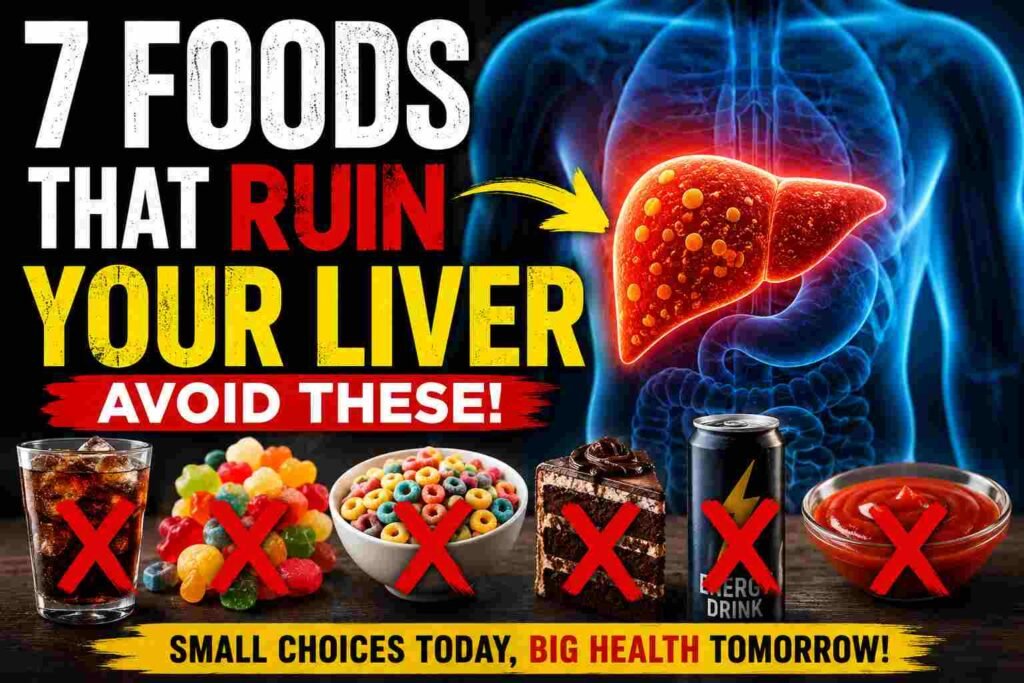
- 🧪 Why Liver Health Matters More Than You Think
- 1. 🥤 Soy Protein Isolates
- 2. 🍭 Fructose and High-Fructose Corn Syrup
- 3. 🍟 Vegetable Oils
- 4. 🥛 Whey Protein Powders
- 5. 🍬 Maltodextrin
- 6. 🥜 Aflatoxins in Peanuts and Corn
- 7. 🍜 MSG (Monosodium Glutamate)
- 🥦 Foods That Support Liver Health
- 🚰 Simple Habits to Protect Your Liver
- 📌 Final Thoughts
- ❓FAQs About Foods That Ruin Your Liver
In this guide, you’ll discover the 7 foods that ruin your liver and learn healthier alternatives you can start using immediately.
Your liver works tirelessly every single day. It filters toxins, supports digestion, regulates blood sugar, stores nutrients, and helps your body stay energized. However, many people unknowingly consume foods that slowly damage this vital organ. Unfortunately, modern processed foods contain hidden ingredients that place tremendous stress on the liver.
If you want better energy, healthier skin, improved digestion, and long-term wellness, then understanding these harmful foods becomes extremely important. Thankfully, once you identify the biggest culprits, you can make smarter dietary choices and protect your liver naturally.
🧪 Why Liver Health Matters More Than You Think
The liver is one of the hardest-working organs in the human body. In fact, it performs more than 500 essential functions. It detoxifies chemicals, processes nutrients, produces bile for digestion, and breaks down harmful substances before they damage your body.
Moreover, your skin, hormones, metabolism, and immune system all depend heavily on liver health. Therefore, when your liver struggles, your entire body feels the consequences.
Common signs of poor liver health include:
- Fatigue
- Brain fog
- Digestive issues
- Weight gain
- Skin problems
- Bloating
- Hormonal imbalance
Because of this, avoiding liver-damaging foods becomes one of the smartest health decisions you can make.
1. 🥤 Soy Protein Isolates
Among the top foods that ruin your liver, soy protein isolate deserves serious attention.
Manufacturers heavily process soy protein isolate to extract concentrated protein from soybeans. During this process, they often use chemical solvents like hexane, a petroleum byproduct linked to toxicity concerns.
You’ll commonly find soy protein isolate in:
- Protein bars
- Meal replacement shakes
- Diet powders
- Veggie burgers
- Processed “health” snacks
Although these products often appear healthy, they may increase inflammation and place additional stress on the liver.
Furthermore, excessive consumption of highly processed soy products may contribute to digestive discomfort and elevated liver enzymes in some individuals.
Better Alternatives
Instead of processed soy protein products, choose:
- Eggs
- Grass-fed meat
- Lentils
- Chickpeas
- Organic tofu in moderation
- Whole-food protein sources
2. 🍭 Fructose and High-Fructose Corn Syrup
Fructose may seem harmless because it comes from fruit. However, excessive fructose — especially from processed foods — can seriously damage liver health.
Unlike glucose, fructose is primarily metabolized in the liver. Therefore, consuming large amounts forces the liver to work overtime.
Over time, this may lead to:
- Fatty liver disease
- Insulin resistance
- Obesity
- Chronic inflammation
High-fructose corn syrup is especially problematic because it appears in countless processed foods and sugary drinks.
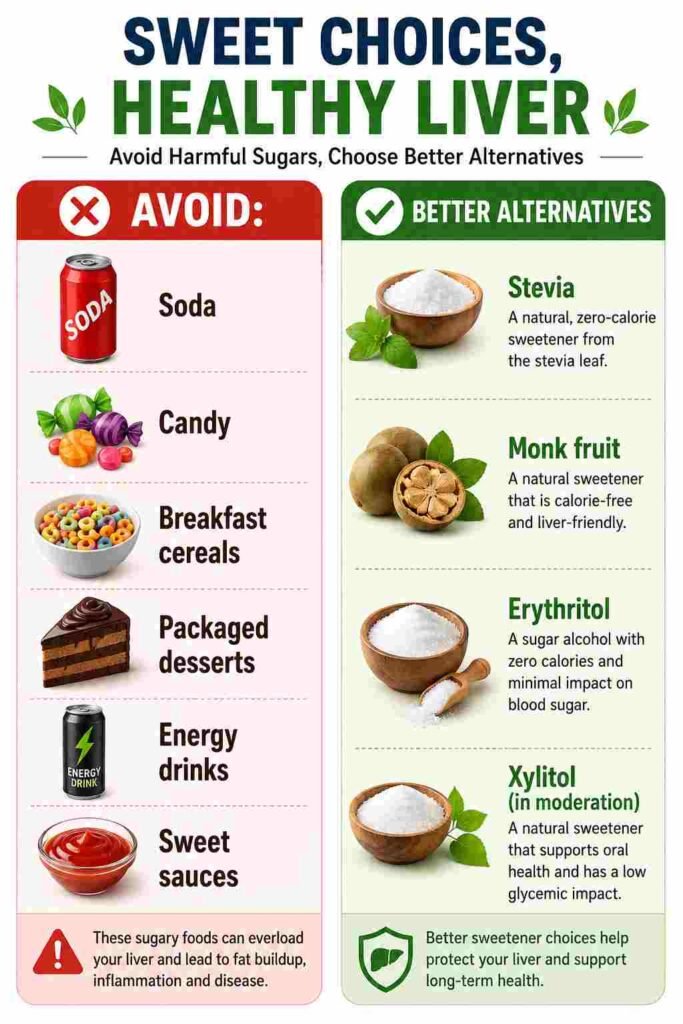
You’ll often find it in:
- Soda
- Candy
- Breakfast cereals
- Packaged desserts
- Energy drinks
- Sweet sauces
Additionally, many “healthy” sweeteners like agave nectar contain extremely high fructose levels.
Better Alternatives
Instead, try natural low-impact sweeteners like:
- Stevia
- Monk fruit
- Erythritol
- Xylitol (in moderation)
Meanwhile, whole fruits remain healthier because fiber slows sugar absorption.
3. 🍟 Vegetable Oils
Many people still believe vegetable oils are healthy. Unfortunately, that belief can be misleading.
Most commercial vegetable oils are highly refined and heavily processed. Moreover, they contain excessive omega-6 fatty acids, which may increase inflammation throughout the body.
Common harmful oils include:
- Soybean oil
- Corn oil
- Canola oil
- Cottonseed oil
- Sunflower oil (highly processed versions)
These oils often appear in:
- Fast food
- Fried snacks
- Chips
- Packaged foods
- Restaurant meals
Additionally, many of these oils come from genetically modified crops exposed to herbicides and pesticides.
Why This Matters
Chronic inflammation directly affects liver function. Consequently, excessive vegetable oil consumption may worsen fatty liver disease and metabolic problems.
Better Alternatives
Choose healthier fats such as:
- Olive oil
- Avocado oil
- Grass-fed butter
- Ghee
- Coconut oil
- Fatty fish rich in omega-3s
4. 🥛 Whey Protein Powders
Protein powders dominate the fitness industry. Nevertheless, not all protein products support liver health.
Many whey protein powders undergo heavy processing and contain artificial additives, fillers, and sweeteners. Additionally, some low-quality powders may trigger inflammation and digestive distress.
People often consume these products daily without realizing the long-term impact on the liver.
Furthermore, cheap protein powders frequently contain other harmful ingredients like maltodextrin, artificial flavors, and preservatives.
Better Alternatives
Instead of relying heavily on powders:
- Eat whole-food proteins
- Consume Greek yogurt
- Include eggs and fish
- Choose minimally processed protein supplements
If you still use protein powder, select clean products with minimal ingredients.
5. 🍬 Maltodextrin
Maltodextrin is one of the sneakiest foods that ruin your liver because it hides inside countless packaged products.
This synthetic carbohydrate has an extremely high glycemic index — often even higher than regular sugar.
As a result, it rapidly spikes blood sugar and insulin levels.
Manufacturers commonly add maltodextrin to:
- Protein powders
- Sports drinks
- Snack bars
- Packaged soups
- Artificial sweeteners
- Processed “keto” foods
Because it digests quickly, it may contribute to fatty liver development and metabolic dysfunction.
6. 🥜 Aflatoxins in Peanuts and Corn
Aflatoxins are toxic compounds produced by certain molds and fungi. Unfortunately, prolonged exposure may damage the liver and increase cancer risk.
These toxins commonly contaminate:
- Peanuts
- Peanut butter
- Corn products
- Stored grains
Warm, humid environments often encourage fungal growth, making contamination more likely.
How to Reduce Exposure
You can lower risk by:
- Choosing high-quality organic products
- Buying trusted brands
- Storing foods properly
- Avoiding stale or moldy foods
Valencia peanuts may also contain lower aflatoxin levels compared to conventional peanuts.
7. 🍜 MSG (Monosodium Glutamate)
MSG acts as a flavor enhancer in many processed and restaurant foods. While it improves taste, excessive consumption may negatively affect liver health in some individuals.
MSG often appears in:
- Fast food
- Instant noodles
- Processed snacks
- Frozen meals
- Seasoning mixes
- Restaurant dishes
Moreover, manufacturers sometimes hide MSG under different names like:
- Modified food starch
- Hydrolyzed protein
- Yeast extract
Some people experience symptoms such as:
- Headaches
- Bloating
- Water retention
- Fatigue
Additionally, excessive processed food consumption generally increases liver stress and inflammation.
Better Alternatives
Cook more meals at home using:
- Fresh herbs
- Natural spices
- Garlic
- Lemon juice
- Whole ingredients
🥦 Foods That Support Liver Health
Now that you know the major foods that ruin your liver, it’s equally important to focus on foods that heal and protect it.
Some of the best liver-friendly foods include:
- Broccoli
- Kale
- Brussels sprouts
- Arugula
- Garlic
- Beets
- Green tea
- Fatty fish
- Avocados
Cruciferous vegetables are especially powerful because they help the liver detoxify harmful substances more efficiently.
🚰 Simple Habits to Protect Your Liver
Besides avoiding harmful foods, you can strengthen your liver naturally by following healthy habits.
Helpful lifestyle practices:
✅ Drink enough water
✅ Limit alcohol consumption
✅ Exercise regularly
✅ Sleep 7–8 hours daily
✅ Reduce processed food intake
✅ Maintain a healthy weight
✅ Avoid excessive sugar consumption
Small daily improvements often create major long-term benefits.
📌 Final Thoughts
Your liver silently protects your body every day. Unfortunately, many modern foods slowly damage this essential organ without obvious warning signs.
By avoiding these foods that ruin your liver, you can reduce inflammation, improve energy levels, support digestion, and lower the risk of fatty liver disease.
Most importantly, focus on real, minimally processed foods whenever possible. Your liver thrives when you give it proper nutrition and reduce toxic overload.
Even small dietary changes today can dramatically improve your long-term health tomorrow.
❓FAQs About Foods That Ruin Your Liver
1. What foods damage the liver the most?
Processed foods high in sugar, fructose, vegetable oils, MSG, and chemical additives can significantly damage liver health over time.
2. Is sugar bad for the liver?
Yes. Excessive sugar, especially fructose and high-fructose corn syrup, may contribute to fatty liver disease and insulin resistance.
3. Are protein powders harmful to the liver?
Some highly processed protein powders containing artificial additives and fillers may increase inflammation and liver stress.
4. Which foods help repair the liver naturally?
Cruciferous vegetables like broccoli, kale, and Brussels sprouts support liver detoxification and overall liver function.
5. Can the liver heal itself?
Yes. The liver has remarkable regenerative abilities. However, recovery depends on reducing harmful foods and maintaining healthy lifestyle habits.
6. Are vegetable oils unhealthy for the liver?
Highly processed vegetable oils may increase inflammation and worsen metabolic problems linked to liver damage.
7. Is fatty liver reversible?
In many cases, yes. Healthy eating, exercise, weight management, and avoiding liver-damaging foods can help reverse fatty liver disease.
This article has been made with the help of AI for better SEO but the research and inputs have been provided by me. Sources cited below.
- World Health Organization – Healthy Diet
- National Institute of Diabetes and Digestive and Kidney Diseases – Liver Disease Information
- American Liver Foundation
- Harvard T.H. Chan School of Public Health – Fats and Cholesterol
- Mayo Clinic – Nonalcoholic Fatty Liver Disease
- Cleveland Clinic – Fatty Liver Disease Guide
You may also like to read other health related articles here also authored by me :
Simi Valley Fire: How to Protect Yourself in Such Situations
Amy Schumer Opens Up About ‘Botched’ Medical Procedure
Silent Signs of Dementia: Early Symptoms Many Families Overlook
Warm Lemon Water: First Thing You Should Take After Waking Up?
HRSA Community Health Centre: #cheapermedicare
Tecentriq SC Injection: The New 7-Minute Cancer Shot for Patients